

Hydraulic Gear Pumps: Advantages, Disadvantages, and Usage Tips
In the world of hydraulic systems, pumps are indispensable components, with the most common types being gear pumps, vane pumps, and piston pumps. Among these, gear pumps stand out for their simplicity, reliability, and cost-effectiveness. This article delves into the specifics of gear pumps, exploring their advantages, disadvantages, and best practices for optimal usage. Additionally, we’ll provide outbound links to authoritative resources for further reading.
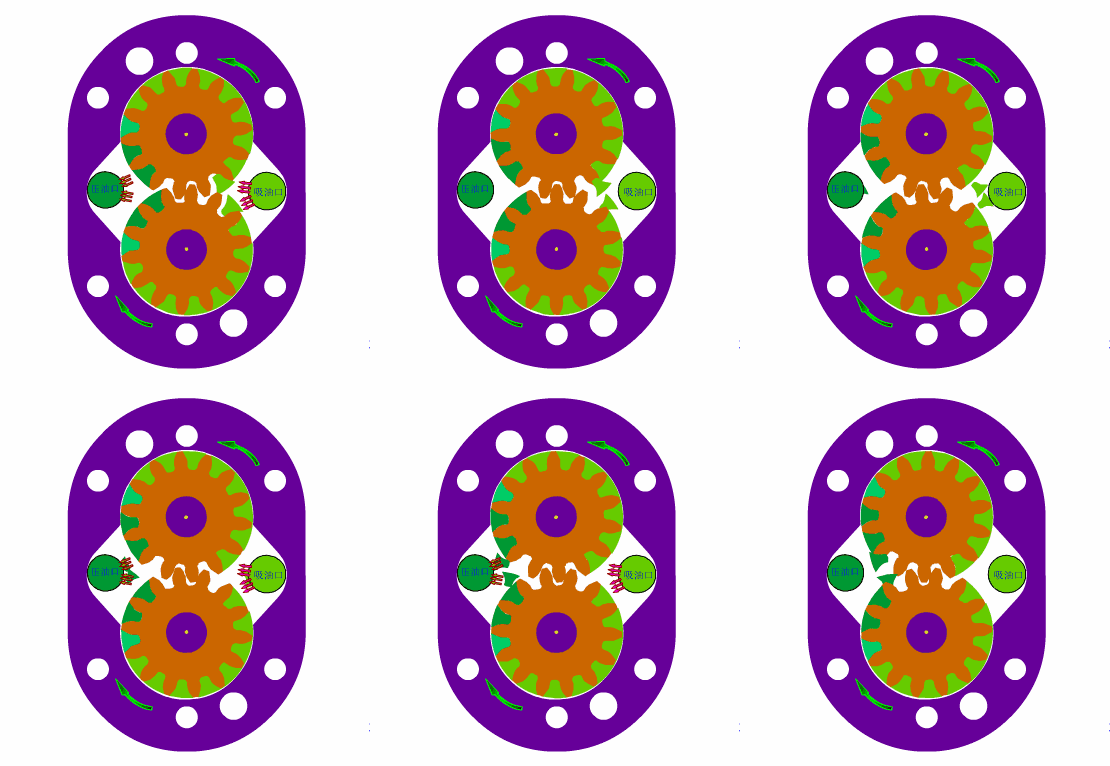
What is a Gear Pump?
A gear pump is a type of positive displacement pump that uses the meshing of gears to move fluid. It is widely used in various industries, including construction, agriculture, and manufacturing, due to its straightforward design and efficient performance. The pump works by trapping fluid between the teeth of two rotating gears and the pump casing, forcing it through the outlet.
For a more detailed explanation of how these pumps work, check out this comprehensive guide by Hydraulics & Pneumatics.
Advantages of Gear Pumps
-
Compact and Lightweight Design
These pumps are known for their small size and lightweight construction. Unlike larger pump types, they are precision-engineered with materials like aluminum alloy, alloy steel, and DU plastic, ensuring durability and cost-effectiveness. This makes them ideal for applications where space and weight are critical factors. -
Wide Speed Range
They can operate at high speeds, often reaching up to 4000 RPM. Their robust internal structure allows them to withstand external shocks and vibrations, even at such high speeds. This makes them suitable for demanding environments. -
Superior Performance and Easy Maintenance
Thanks to their pressure plate design, these pumps deliver consistent and reliable performance. Their installation and maintenance processes are straightforward, and they are compatible with most imported and construction machinery. This versatility has made them a popular choice across industries. -
Cost-Effective Solution
Compared to other types of hydraulic pumps, gear pumps are relatively inexpensive to manufacture and maintain. This makes them an economical choice for businesses looking to optimize their hydraulic systems without compromising on performance.
Disadvantages of Gear Pumps
-
Limited Functionality as a Fixed Displacement Pump
The sealed independent chambers formed by the end covers and gear slots restrict these pumps to functioning primarily as fixed displacement pumps. This limits their flexibility in applications requiring variable flow rates. -
Radial Force Imbalance and Noise
Most gear pumps experience unbalanced radial forces during operation, leading to significant noise levels. While their performance is reliable, the operational experience can be less than ideal, especially in noise-sensitive environments. -
Wear and Limited Repairability
Over time, the internal components of these pumps inevitably wear out. However, due to poor interchangeability of parts, repairs can be challenging. As a result, these pumps are typically used as fixed displacement pumps and may require replacement rather than repair.
Key Considerations for Optimal Usage
-
Regular Lubrication
To minimize wear and tear, it is essential to lubricate these pumps regularly. The lubricating oil film helps prolong the lifespan of the components. However, it is equally important to keep the connection points clean to prevent contamination. -
Routine Inspection and Maintenance
Periodic checks are necessary to ensure the pump’s optimal performance. Key areas to inspect include the condition of critical components like bearings, as well as the tightness of internal wiring and connectors. For a detailed maintenance checklist, refer to this resource by Machinery Lubrication. -
Proper Installation
Ensure that the pump is installed correctly, with proper alignment and secure connections. Misalignment can lead to premature wear and reduced efficiency. -
Monitor Operating Conditions
Keep an eye on the pump’s operating temperature and pressure. Excessive heat or pressure can damage the pump and reduce its lifespan. Using a pressure gauge and temperature sensor can help in monitoring these parameters. -
Use High-Quality Hydraulic Fluid
The quality of the hydraulic fluid used in the system plays a significant role in the pump’s performance and longevity. Always use fluids that meet the manufacturer’s specifications.
Applications of Gear Pumps
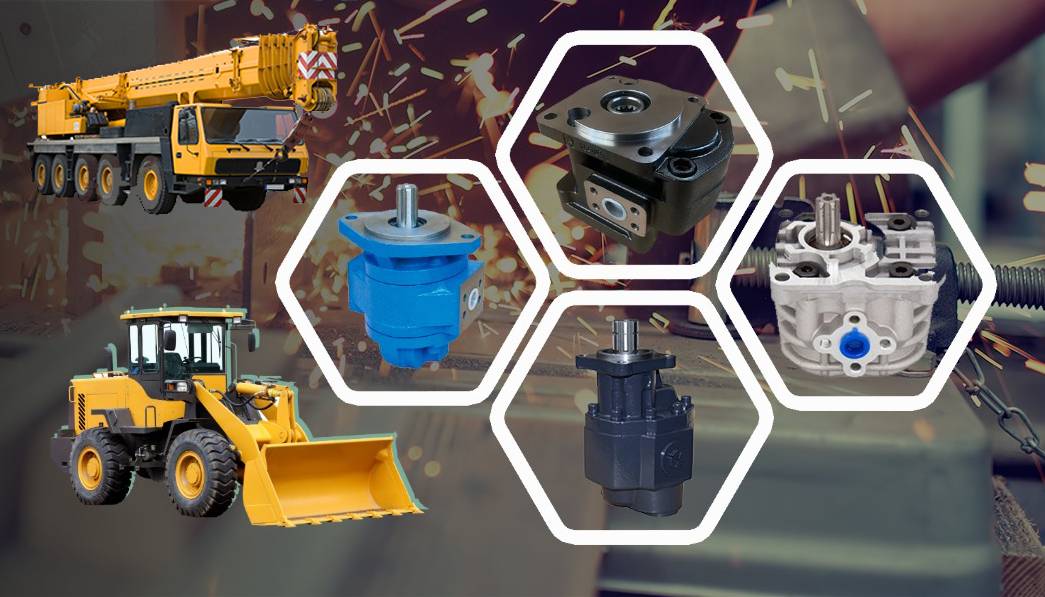
These pumps are used in a wide range of applications, including:
-
Construction Machinery: Excavators, bulldozers, and cranes.
-
Agricultural Equipment: Tractors, harvesters, and irrigation systems.
-
Industrial Machinery: Conveyor systems, presses, and injection molding machines.
For more information on the applications of gear pumps, visit Engineering360.
Conclusion
Gear pumps are a reliable and cost-effective solution for various hydraulic systems. Their compact design, wide speed range, and ease of maintenance make them a popular choice across industries. However, they do have limitations, such as noise levels and limited repairability, which should be considered when selecting a pump for specific applications.
By understanding the advantages, disadvantages, and proper maintenance practices for these pumps, users can maximize their efficiency and longevity. Regular lubrication, routine inspections, and proper installation are key to ensuring optimal performance. Whether in construction machinery or industrial systems, gear pumps remain a dependable choice for hydraulic power transmission.
For further reading on hydraulic systems and components, check out these resources:
By following these guidelines and leveraging the resources provided, you can ensure that your gear pumps operate at peak performance for years to come.

Very good https://is.gd/N1ikS2
Very good https://is.gd/N1ikS2