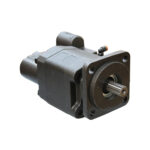
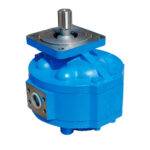
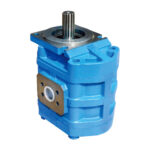
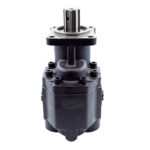
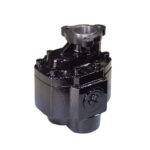
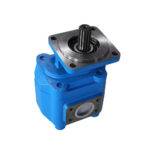
Hydraulic gear pump introduction
Hydraulic gear pumps are essential components in various industrial and mobile hydraulic systems. Known for their simplicity, reliability, and efficiency, these pumps play a crucial role in converting mechanical energy into hydraulic energy. In this article, we’ll explore what a hydraulic gear pump is, how it works, its applications, and why it’s a popular choice in the hydraulic industry. Whether you’re an engineer, technician, or simply curious about hydraulic systems, this guide will provide valuable insights into the world of hydraulic gear pumps.
What is a Hydraulic Gear Pump?
A hydraulic gear pump is a type of positive displacement pump that uses the meshing of gears to pump fluid by displacement. It is one of the most common types of pumps used in hydraulic systems due to its compact design, cost-effectiveness, and ability to handle a wide range of viscosities. Hydraulic gear pumps are typically used to generate flow and pressure in hydraulic systems, powering machinery and equipment in industries such as construction, agriculture, manufacturing, and more.
How Does a Hydraulic Gear Pump Work?
The operation of a hydraulic gear pump is relatively straightforward. It consists of two gears—a driving gear (connected to the power source) and a driven gear—that rotate within a tightly sealed housing. Here’s a step-by-step breakdown of how it works:
Fluid Intake: As the gears rotate, they create a vacuum at the pump’s inlet, drawing hydraulic fluid into the pump.
Fluid Displacement: The fluid is trapped between the gear teeth and the pump housing. As the gears continue to rotate, the fluid is carried around the outside of the gears.
Fluid Discharge: When the gears mesh together on the opposite side, the fluid is forced out of the pump’s outlet, creating flow and pressure.
This continuous process ensures a steady flow of hydraulic fluid, making gear pumps highly efficient for various applications.
Types of Hydraulic Gear Pumps
There are two main types of hydraulic gear pumps:
External Gear Pumps: These pumps feature two identical gears that mesh externally. They are widely used due to their simplicity and ability to handle high pressures.
Internal Gear Pumps: In these pumps, one gear rotates inside the other. They are known for their smooth operation and ability to handle viscous fluids.
Both types have their unique advantages, and the choice depends on the specific requirements of the application.
Key Features and Benefits of Hydraulic Gear Pumps
Hydraulic gear pumps are favored in many industries for several reasons:
Compact Design: Their small size makes them easy to integrate into hydraulic systems.
Cost-Effective: Gear pumps are generally more affordable compared to other types of hydraulic pumps.
High Efficiency: They provide consistent flow rates and can operate at high pressures.
Durability: With fewer moving parts, gear pumps are less prone to wear and tear, ensuring a longer lifespan.
Versatility: They can handle a wide range of fluids, including oils, fuels, and other viscous liquids.
Applications of Hydraulic Gear Pumps
Hydraulic gear pumps are used in a variety of applications across multiple industries. Some common uses include:
Construction Equipment: Excavators, bulldozers, and cranes rely on gear pumps for hydraulic power.
Agricultural Machinery: Tractors, harvesters, and irrigation systems use gear pumps for efficient operation.
Industrial Machinery: Gear pumps are found in presses, conveyors, and injection molding machines.
Mobile Equipment: Forklifts, lift gates, and other mobile hydraulic systems depend on gear pumps for reliable performance.
Automotive: Power steering systems and transmission systems often utilize hydraulic gear pumps.
Maintenance Tips for Hydraulic Gear Pumps
To ensure the longevity and optimal performance of a hydraulic gear pump, regular maintenance is essential. Here are some tips:
Monitor Fluid Levels: Always maintain the recommended fluid levels to prevent cavitation and damage.
Check for Leaks: Inspect the pump and connections for any signs of leakage.
Replace Filters: Regularly change hydraulic filters to prevent contamination.
Inspect Gears and Seals: Look for signs of wear and replace components as needed.
Use the Right Fluid: Ensure the hydraulic fluid matches the pump’s specifications.
Why Choose a Hydraulic Gear Pump?
Hydraulic gear pumps are an excellent choice for applications requiring reliable and efficient fluid transfer. Their robust design, affordability, and versatility make them a go-to solution for many industries. Whether you’re powering heavy machinery or operating a mobile hydraulic system, a hydraulic gear pump can deliver the performance you need.
Conclusion
Hydraulic gear pumps are indispensable components in modern hydraulic systems. Their ability to generate consistent flow and pressure, combined with their durability and cost-effectiveness, makes them a preferred choice for engineers and technicians worldwide. By understanding how they work, their applications, and proper maintenance practices, you can ensure the optimal performance of your hydraulic systems.
If you’re looking for a reliable and efficient hydraulic gear pump for your next project, consider the benefits they offer and choose a model that meets your specific needs. With the right pump, you can enhance the performance and longevity of your hydraulic equipment.